
Zero-Click Search: Is the Web Losing Its Traffic?
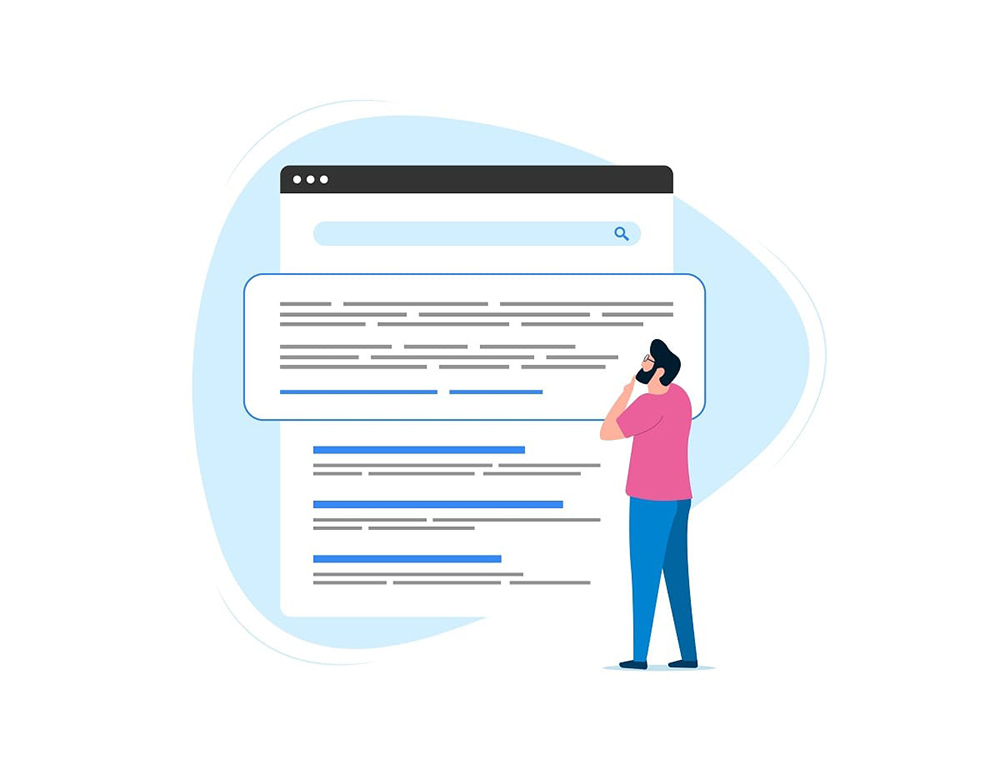
For years, the goal of a business’s online presence was simple: get people to click. We built entire strategies around it. We measured success by click-through rates and website traffic. The whole online world, from search engine optimization to digital advertising, was designed to guide a user from a search result to your homepage, a landing page, or a product listing.
But a shift has been happening, slowly at first, and then all at once. People are getting answers without ever visiting a website. The information they need is appearing directly on the search results page. This phenomenon, known as zero-click search, is changing how we think about search engine visibility. It’s forcing us to ask a question that was once unthinkable: is the web losing its traffic? The short answer is yes, in many cases, but that doesn’t mean it is a bad thing. It just means the game has changed, and the new rules are defined by Generative Engine Optimization.
The Numbers Tell the Story: The Rise of Zero-Click
The data is clear. Zero-click searches are not a passing trend. They are a fundamental change in user behavior. By mid-2025, some sources estimate that as many as 65% of all global searches end without a single click to a website, with that number climbing to over 75% on mobile devices. This is a significant increase from 2024, when the number sat at 65% globally and 58.5% in the U.S. The change is fueled by a few key developments in the search landscape:
- Featured Snippets: These boxes at the very top of the search results page provide a direct answer, often in the form of a paragraph, list, or table, taken directly from a source page.
- AI Overviews: Google’s new AI-generated summaries, which launched in mid-2024, synthesize information from multiple sources to provide a comprehensive answer, further reducing the need to click on a link.
- Knowledge Panels and Direct Answers: These features provide factual information, like a company’s hours of operation or a celebrity’s biography, without a single click.
For businesses and content creators, this reality can be disheartening. You put in the work to create valuable content, only to see it used for a direct answer that gets all the visibility but none of the traffic. It’s a challenge that requires a new approach.
From SEO to GEO: A Strategic Shift in Search
The traditional goal of SEO was to get a user to click on your link. Generative engine optimization, or GEO, changes that. It’s the process of optimizing content not just for traditional search engine algorithms, but for the way AI models understand, synthesize, and present information. This is a crucial distinction. AI engines don’t just match keywords; they prioritize context, clarity, and authority.
This means the old rules don’t always apply. Stuffing a page with keywords is not just ineffective; it can harm your visibility. AI models are trained to prioritize high-quality, original content that provides in-depth, well-researched information. Your content must go beyond surface-level information and offer something unique. It needs to demonstrate expertise, experience, and credibility. The focus shifts from getting a click to earning a mention, or a direct quote, in an AI-generated overview.
How to Thrive in a Zero-Click World
Navigating this new landscape requires a strategic overhaul of your content efforts. It’s no longer about just ranking, but about becoming the trusted source that AI models cite. Here are several steps you can take to adapt and succeed:
1. Structure Your Content for AI Consumption. AI models love organized, easy-to-scan information. A wall of text is much harder for an AI to process than content broken down with clear headings and formatting.
- Use question-based headings. Structure your content around common questions people ask.
- Utilize headings and subheadings to create a clear hierarchy.
- Use numbered and bulleted lists to break up long sections of text.
- Write a direct, concise answer at the beginning of each section before you expand on the topic.
2. Focus on Intent-Based and Long-Tail Keywords. Users are asking more specific, conversational questions than ever before. For instance, instead of searching for “best coffee,” a user might ask “what is the best coffee shop near me for studying?” Generative AI is especially good at understanding this type of conversational query.
- Target long-tail keywords that are more specific and have clear intent.
- Use a conversational tone that mimics how people speak and ask questions.
- Again, do not keyword stuff. It will not work with Generative AI.
3. Provide High-Quality, Authoritative Content. AI models are designed to use information from trusted, credible sources. Your content needs to be reliable, well-researched, and backed by evidence.
- Cite reputable sources and link to original research.
- Back up your claims with data, statistics, and expert insights.
- Ensure your content is up-to-date and accurate. Regularly update old articles.
4. Leverage Structured Data (Schema Markup). Structured data is code you add to your website to help search engines understand the content on a deeper level. It’s a way of explicitly telling Google what your content is about. For example, you can use schema to identify a section of a page as an FAQ, a how-to guide, or a product review.
- Implement relevant schema markup, such as FAQPage, HowTo, and Article schema.
- This helps search engines and AI models to understand your content and potentially feature it in rich results.
5. Diversify Your Channels. While zero-click search changes the organic search game, it doesn’t mean you should abandon your other marketing channels.
- Increase your presence on social media. Platforms like X (formerly Twitter) and TikTok have become significant search engines in their own right.
- Invest in email marketing to build a direct relationship with your audience.
- Consider a paid search strategy. Paid ads can appear prominently at the top of the search results page, giving you a valuable opportunity for visibility.
Beyond the Click: The Future is About Presence
The internet’s evolution has always been about adapting, and the shift toward zero-click searches is the next major turning point. It’s easy to see the decline in traditional web traffic and feel a sense of loss, but this is a chance to move beyond outdated metrics. The new goal isn’t to get a click; it’s to become the answer. It’s about building a digital presence so authoritative and useful that search engines, and the people using them, can’t ignore you.
At Real Time Marketing, our expertise lies in helping brands not just exist online, but truly connect with their audience at the moment it matters. We understand that in a world where answers are instantaneous, your content needs to be timely, relevant, and above all, genuinely helpful. We’re not focused on getting a click that leads nowhere. We’re focused on building a strategy that makes you the go-to source, one that delivers value whether a user lands on your site or simply sees your information featured in a search result.
Ready to learn more? Book a call with our team of specialists today.

Book Your Strategy Session and Take Control of Your Market Today
Whether you’re ready to build a custom growth roadmap or want to explore the complete range of advanced strategies we deploy for trades across the country, Real Time Marketing is ready to move at the speed of your business.